%2Ffit-in%2F250x250%2Fguide_websites%2F697%2Fimages%2F1740187916707unnamed-4.jpg&w=1920&q=100)
/users/6ce6b04e-0d89-4803-9f97-66a8eef6b767/ratecard/yacht.png)
%2F300x300%2Fusers%2F6ce6b04e-0d89-4803-9f97-66a8eef6b767%2Fratecard%2Fyacht.png&w=256&q=75)
%2F300x300%2Fusers%2F6ce6b04e-0d89-4803-9f97-66a8eef6b767%2Fimages%2Fcruises-fishing-florida-3378.jpg&w=256&q=75)
%2F300x300%2Fusers%2F6ce6b04e-0d89-4803-9f97-66a8eef6b767%2Fimages%2Fwahoo-fish-florida-cruises-fishing-3130.jpg&w=256&q=75)
%2F300x300%2Fusers%2F6ce6b04e-0d89-4803-9f97-66a8eef6b767%2Fimages%2Fcrew-catches-massive-wahoo-florida-3447.jpg&w=256&q=75)
%2F300x300%2Fusers%2F6ce6b04e-0d89-4803-9f97-66a8eef6b767%2Fimages%2Fboynton-beach-fishing-fun-3483.jpg&w=256&q=75)
%2F300x300%2Fusers%2F6ce6b04e-0d89-4803-9f97-66a8eef6b767%2Fimages%2Fgreat-snakehead-florida-fishing-3074.jpg&w=256&q=75)
%2F300x300%2Fusers%2F6ce6b04e-0d89-4803-9f97-66a8eef6b767%2Fimages%2Fwahoo-fish-boynton-beach-3385.jpg&w=256&q=75)
%2F300x300%2Fusers%2F6ce6b04e-0d89-4803-9f97-66a8eef6b767%2Fimages%2Fboynton-beach-fishing-adventure-2920.jpg&w=256&q=75)
%2F300x300%2Fusers%2F6ce6b04e-0d89-4803-9f97-66a8eef6b767%2Fimages%2Ffishing-cruises-in-fl-2467.jpg&w=256&q=75)
%2F300x300%2Fusers%2F6ce6b04e-0d89-4803-9f97-66a8eef6b767%2Fimages%2Ffishing-cruises-florida-2373.jpg&w=256&q=75)
%2F300x300%2Fusers%2F6ce6b04e-0d89-4803-9f97-66a8eef6b767%2Fimages%2Fboynton-beach-coastal-cruises-fishing-2440.jpg&w=256&q=75)
Luxury 60' Bertram Yacht Charters in Pompano Beach

 Palm Beach
What you will be catching:
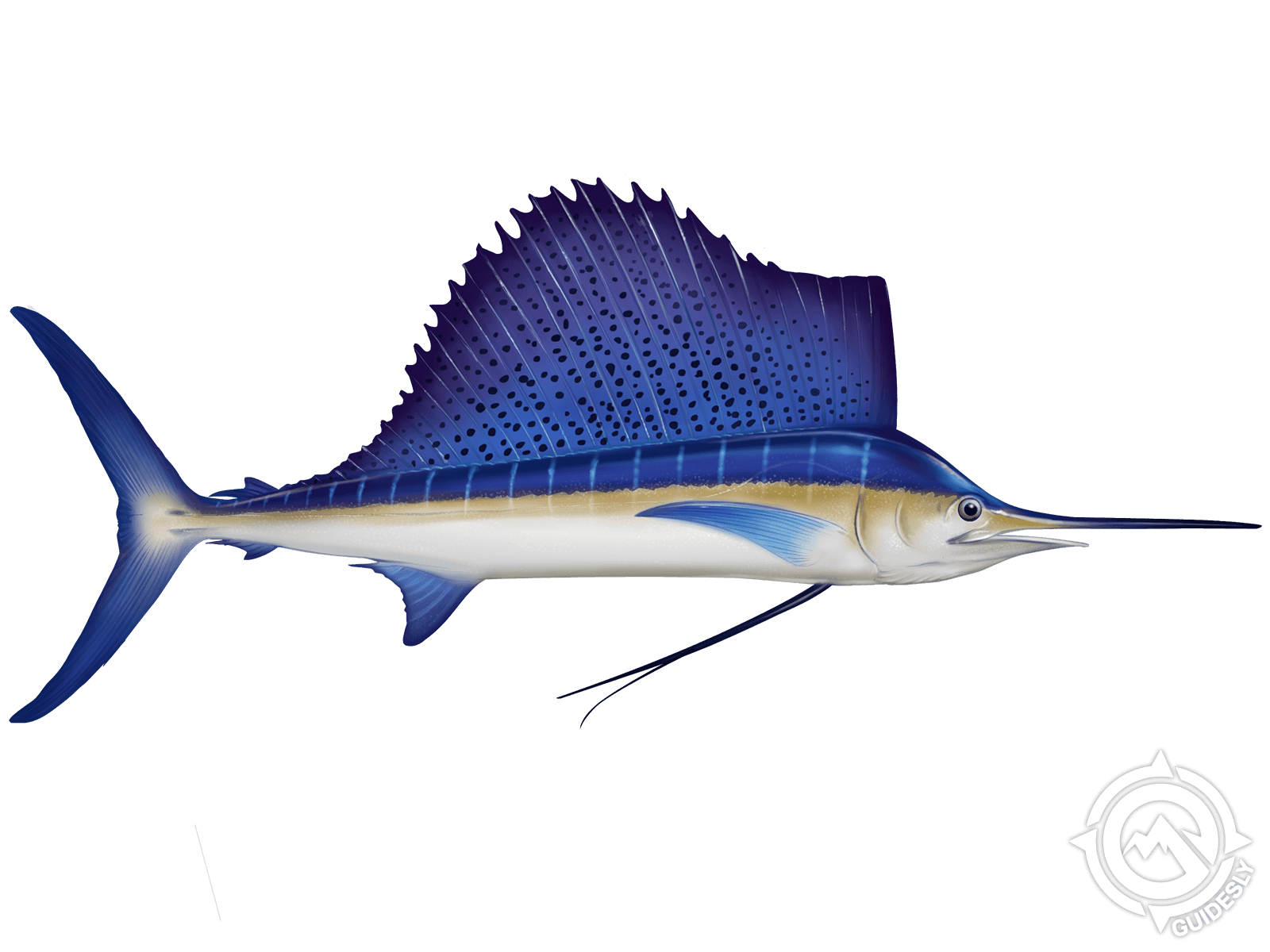
 Atlantic Sailfish
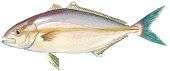
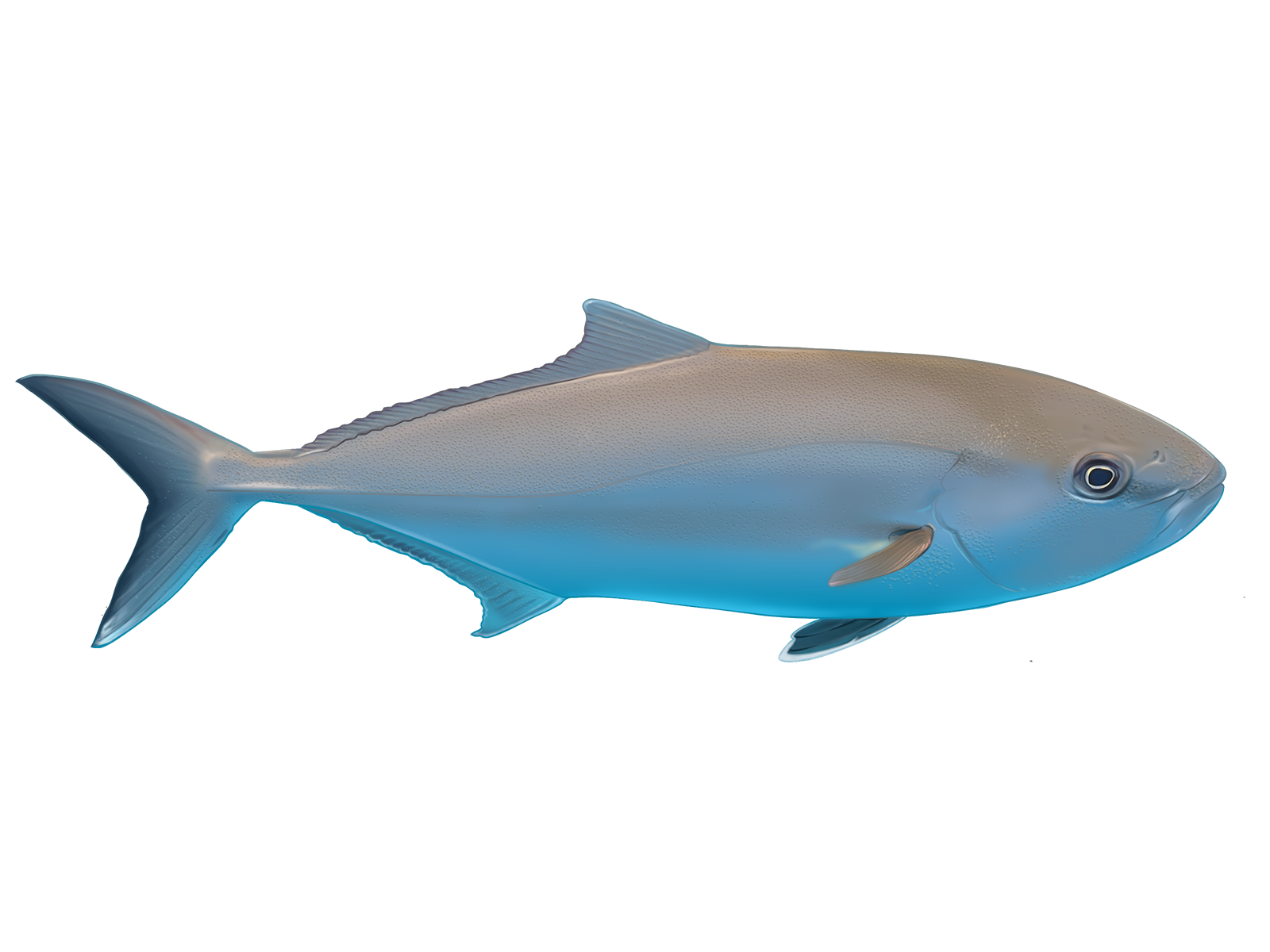 Greater Amberjack
 Lesser Amberjack
 Mahi Mahi or Common Dolphinfish
 Wahoo Fish
- 60-foot Bertram yacht accommodates up to 6 guests total
- Customizable itineraries include coastal cruising and deep sea fishing
- Spacious deck and cabin provide comfort and sun protection
Trip Pricing and Availabilities:
Customizable Pompano Beach Cruise Charters
When you step aboard our 60' Bertram yacht in Pompano Beach, you're not just booking another fishing trip – you're getting access to one of the most respected sportfishing platforms ever built. This isn't some cookie-cutter charter experience. We're talking about a fully customizable day on the water where you call the shots, whether that's chasing billfish offshore, working the reefs for amberjack, or just cruising the coastline with cold drinks in hand. The Bertram's got the muscle to get you where the fish are biting and the comfort to keep your group of up to six happy all day long.
What to Expect on the Water
This 60-footer is a game-changer for groups who want options. Unlike smaller boats that limit where you can go, the Bertram opens up everything from nearshore wrecks to the blue water drop-offs where the big pelagics live. Captain Ray knows these waters like the back of his hand, and he'll work with you before you even leave the dock to figure out what kind of day you're after. Want to target sailfish in the morning and switch to bottom fishing in the afternoon? No problem. Feel like spending the whole day trolling for mahi and wahoo? We're all in. The spacious deck gives everyone room to fish without getting tangled up, and when you need a break from the action, the cabin below offers air conditioning and comfortable seating. This is how charter fishing should be – flexible, comfortable, and focused on what you want to catch.
Techniques & Tackle Setup
We run a mix of techniques depending on what's biting and what you're after. For the pelagics like sailfish, mahi, and wahoo, we'll set up a trolling spread with a combination of ballyhoo, diving plugs, and surface lures. The Bertram's twin diesels let us cover serious ground when we're searching, but she's also stable enough for live bait fishing when we find a good temperature break or weed line. When we're working the reefs for amberjack, we'll drop down heavy jigs and live baits – these fish fight dirty in the structure, so we use stout tackle that can turn them before they cut you off. All rods, reels, and terminal tackle are included, and we keep everything maintained and ready to go. If you've got your own gear and prefer to use it, bring it along – just make sure your drag washers are fresh because these South Florida fish will test every piece of equipment you've got.
What Anglers Are Saying
"Had a great time. Crew never stopped trying and was ultimately successful. Would definitely do it again." - Dr Steve
"Captain Ray and his crew were amazing. We had a great time and caught tons of fish. The boat was excellent." - Adam
Top Catches This Season
Atlantic Sailfish are the crown jewel of South Florida offshore fishing, and Pompano Beach puts you right in the heart of their winter migration route. These fish typically run 6 to 8 feet long and around 60 to 80 pounds, but it's not their size that makes them special – it's the aerial show they put on. When a sail comes tight, you'll see why they're considered one of the world's premier gamefish. They'll tail-walk across the surface, throw the hook with acrobatic jumps, and test every bit of your fighting skills. Peak season runs from December through March when the fish are stacked up along the reef line, but we see them almost year-round. Most of our clients are blown away by their first sailfish – there's just nothing else like it.
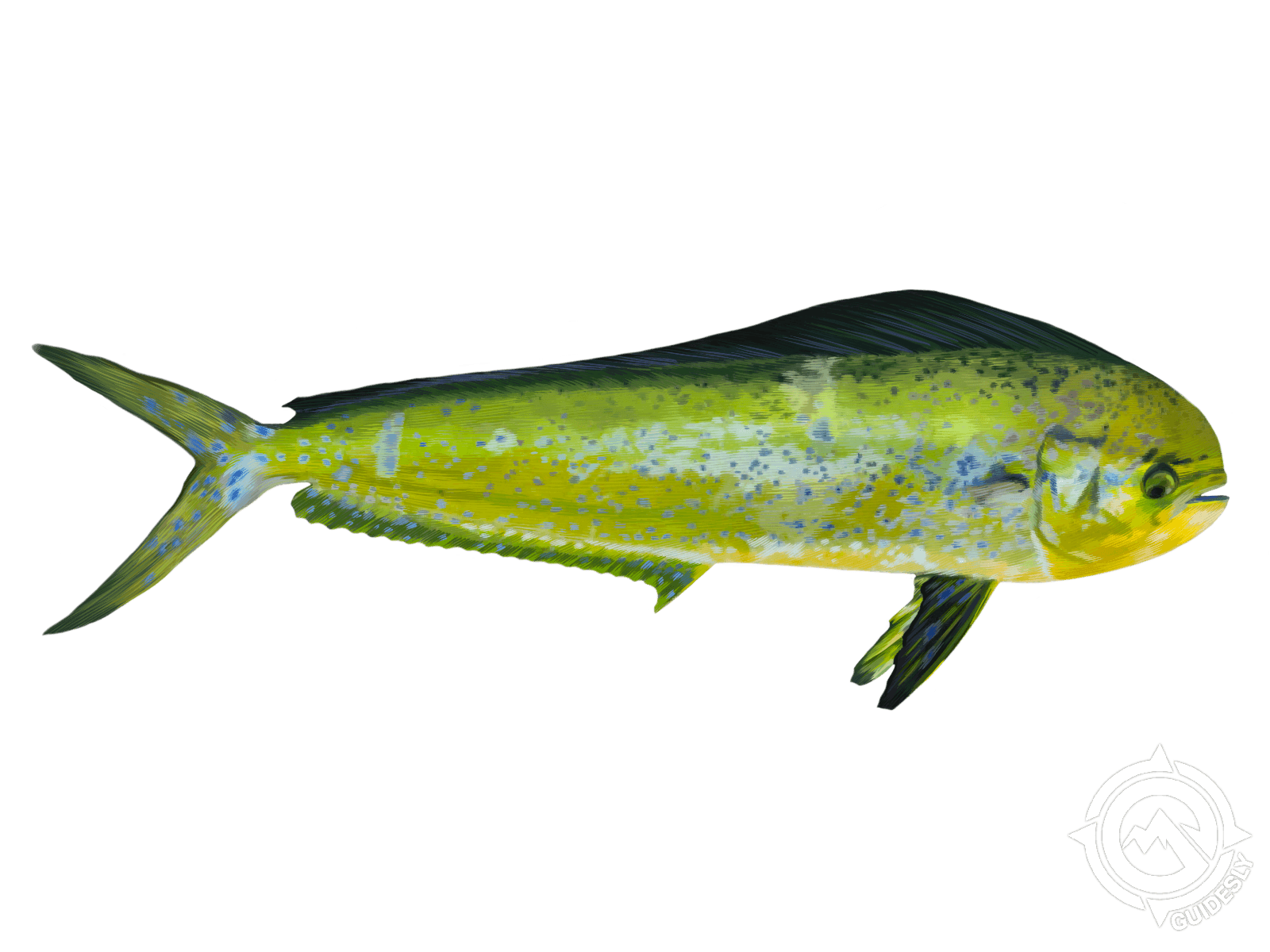
Mahi Mahi are the perfect combination of beauty, fight, and table fare. These fish are pure muscle wrapped in electric colors that seem to change as they fight. Out here, we typically find them in the 10 to 30-pound range, though larger bulls over 40 pounds aren't uncommon during peak season from April through September. Mahi are structure-oriented fish, so we'll look for them around floating debris, weed lines, or current edges where baitfish concentrate. They're aggressive feeders that'll hit everything from ballyhoo to jigs, and once you hook one, there's usually more in the area. The bonus is they're phenomenal eating – firm, white meat that grills up perfect for fish tacos or blackened fillets.
Greater Amberjack are the bulldogs of the reef, and they'll test your back, your tackle, and your patience all at the same time. These fish live in the deeper wrecks and rocky bottom areas, typically 80 to 200 feet down, where they can run anywhere from 20 to 80 pounds or more. When you hook a big amber, the first thing it's going to do is try to cut you off in the structure – they know their home turf and they'll use every bit of it. The fight is all about power and endurance, with long, grinding runs that'll have your arms burning. Peak season is spring and fall when they're more aggressive, but we catch them year-round. They're also excellent eating despite what some people think – the key is bleeding them quickly and keeping them on ice.
Lesser Amberjack might be smaller than their greater cousins, but they make up for it with speed and aggression. These fish typically run 5 to 15 pounds and they'll hit just about anything you put in front of them. They school up around the same structure as greater amberjack but tend to stay higher in the water column, making them easier to catch and perfect for newer anglers who want to experience that amberjack fight without the back-breaking battle. They're year-round residents, though they're most active during warmer months. Don't let their size fool you – pound for pound, they're some of the hardest fighting fish out there.
Wahoo are the speed demons of the offshore worl
Customer Reviews
Epic Success Trip

Dr Steve Sonenblum
June 1, 2025
Captain Ray Delivers
Captain Ray and his crew were amazing. We had a great time and caught tons of fish. The boat was excellent.
Adam Handfinger
September 26, 2025
Learn more about the species
Atlantic Sailfish
Atlantic sailfish are the speed demons of South Florida waters, hitting 20-35 mph when hooked. These 7-8 foot beauties average 50 pounds and put on quite a show with their massive dorsal sail and acrobatic jumps. We find them in 30-65 feet near weedlines and current breaks, especially during winter months when they migrate through our area. The blue-gray bodies with that signature sail make for great photos, and the fight is pure adrenaline - they'll leap, dive, and test your endurance. Here's a local trick: when teasing them up, let the bait skip on the surface to mimic flying fish. Once hooked, keep steady pressure but don't horse them - they'll tire themselves out with all that jumping.
Greater Amberjack
Greater amberjacks are the bulldozers of the reef - thick-bodied bruisers that'll test your tackle and your back. These guys average 30-40 pounds but can push 60+ pounds, reaching up to 5 feet long. We target them around wrecks, reefs, and structure in 80-200 feet of water. They're year-round residents, but spring and fall fishing is outstanding when they're most active. What guests love is that initial run - pure power that'll make your drag scream. They're also excellent table fare with firm white meat, though larger fish can carry ciguatera. My go-to technique is dropping live bait or heavy jigs right to the bottom near structure. Keep your drag tight from the start - give them an inch and they'll wrap you around the wreck.
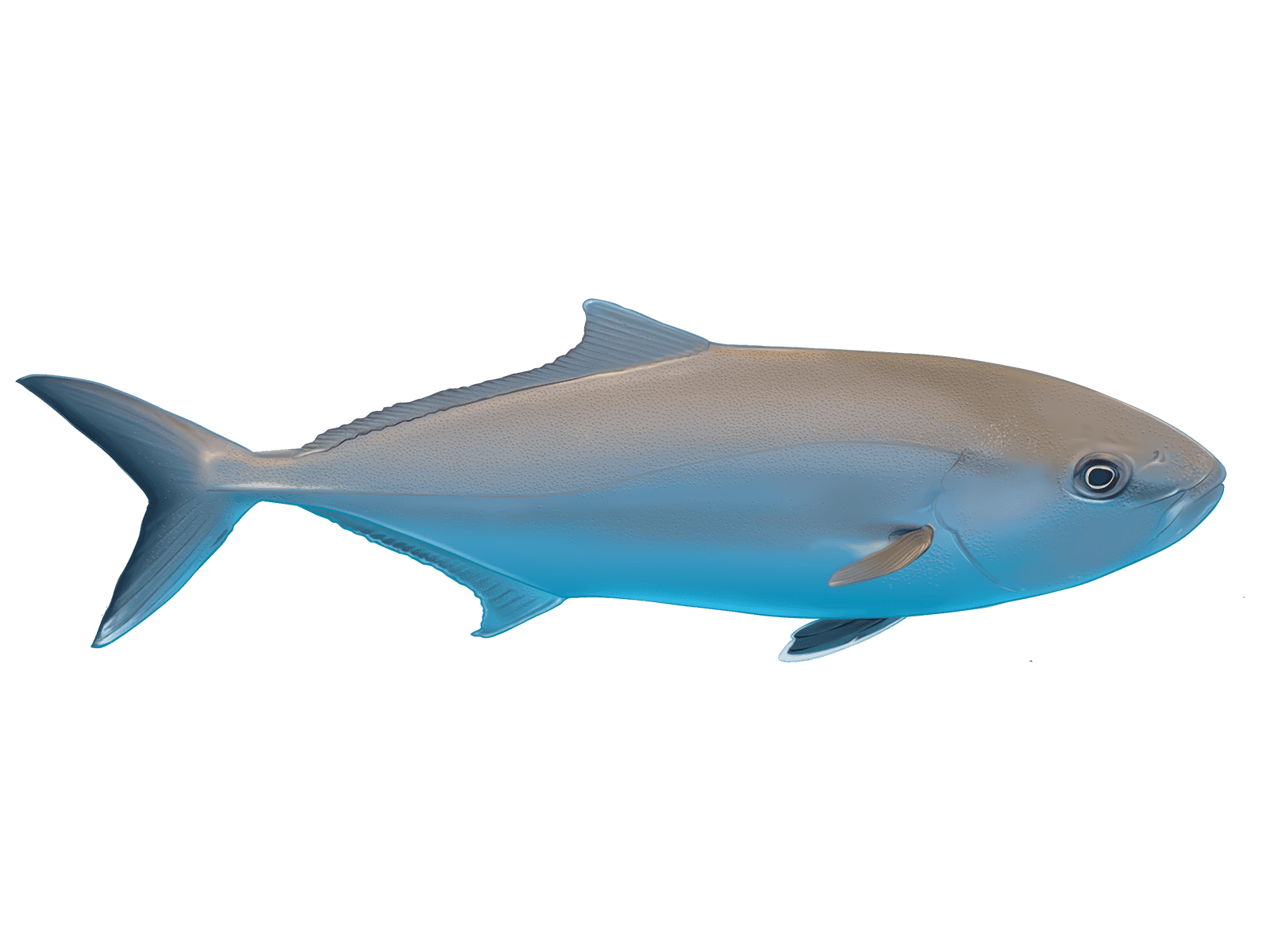
Lesser Amberjack
Lesser amberjacks are the smaller cousins of the greater amberjack but don't let that fool you - they still pack a punch. These fish typically run 10-20 pounds and stay in deeper water, usually 180-400 feet around structure. They're less common than their bigger relatives, making them a neat catch for anglers looking for something different. You'll recognize them by that distinctive olive-green back and the gold stripe running to the tail. They're open season year-round and fight well on medium tackle. The meat is good eating, though like other amberjacks, larger ones can carry ciguatera. Best approach is vertical jigging or dropping cut bait to the bottom where they hang. Use a fishfinder rig to get your bait down in that strike zone.
Mahi Mahi or Common Dolphinfish
Mahi mahi are hands down one of the most exciting fish to target off Pompano. These golden beauties average 15-30 pounds but can hit 50+ pounds, and they're absolute rockets when hooked. You'll find them under floating debris, weedlines, or around our nearshore waters in depths of 100-400 feet. Spring through fall is prime time when water temps hit 75+ degrees. What makes them special is that incredible color show - brilliant golds, blues, and greens that flash as they jump. Plus, they're fantastic eating with sweet, firm white meat. Pro tip: when you hook one, keep your eyes peeled for the school - where there's one mahi, there's usually more. Work the area quickly with multiple lines.
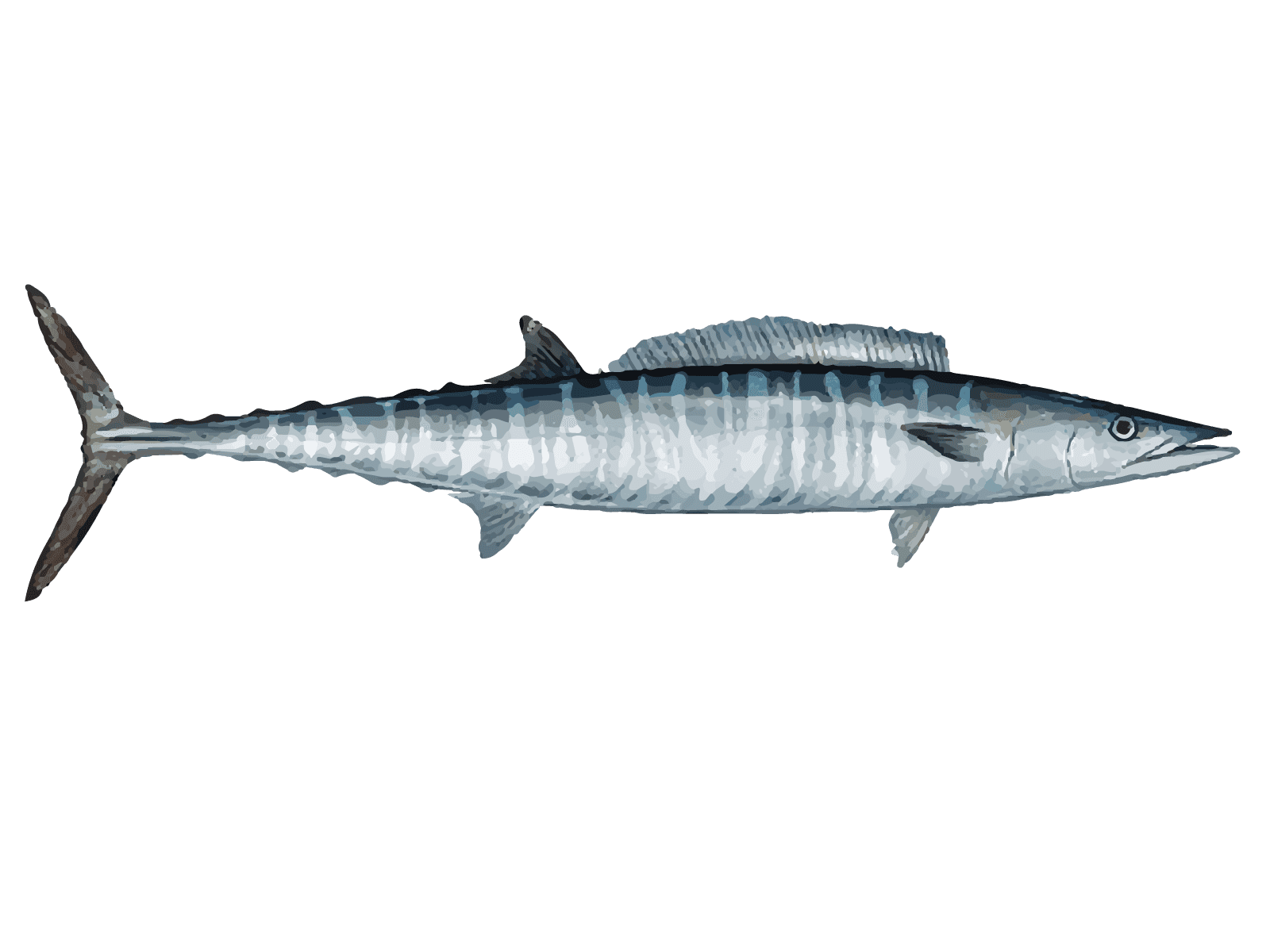
Wahoo Fish
Wahoo are the bullets of the ocean - sleek, fast, and absolutely explosive when they hit your lure. These torpedo-shaped fish average 3-4 feet and 20-40 pounds, but can reach 60+ pounds. We find them in blue water from 50-200 feet, often near weedlines or temperature breaks. Peak season runs July through November when they migrate through our area. What makes wahoo special is that blistering speed - they'll hit a trolled lure at 48+ mph and strip line like nothing else. The meat is outstanding too - white, flaky, and mild like premium tuna. The key is high-speed trolling at 12-15 knots with wire leaders since their razor teeth will cut anything else. When one hits, hang on tight - that first run is pure lightning.
About the Energy
%2F%2Fusers%2F6ce6b04e-0d89-4803-9f97-66a8eef6b767%2Fvehicle_picture%2Fc1563982-4d55-4aea-a509-c852c06b84a9.jpg&w=1920&q=75)
Vehicle Guest Capacity: 10
Manufacturer Name: Cat
Maximum Cruising Speed: 40
Number of Engines: 2
Horsepower per Engine: 1350
Step aboard this stunning 60-foot Bertram yacht for the ultimate Pompano Beach adventure. This powerhouse combines sleek design with serious performance, making it perfect for cruising Florida's beautiful coastline or heading out for some deep-sea fishing. With room for up to 6 guests, you'll have plenty of space to spread out on the expansive deck, soak up the sun, or retreat below deck for a gourmet meal and some air-conditioned comfort. The yacht's luxurious amenities and spacious layout create the perfect setting for celebrations, romantic getaways, or just escaping the everyday grind. Whether you want to explore hidden coves, try your luck at fishing, or simply cruise the crystal-clear waters while enjoying cocktails with friends, this Bertram delivers an exceptional day on the water. Your captain will customize the experience to match your group's interests, ensuring every moment exceeds expectations.

Had a great time. Crew never stopped trying and was ultimately successful. Would definitely do it again.